022 66393751

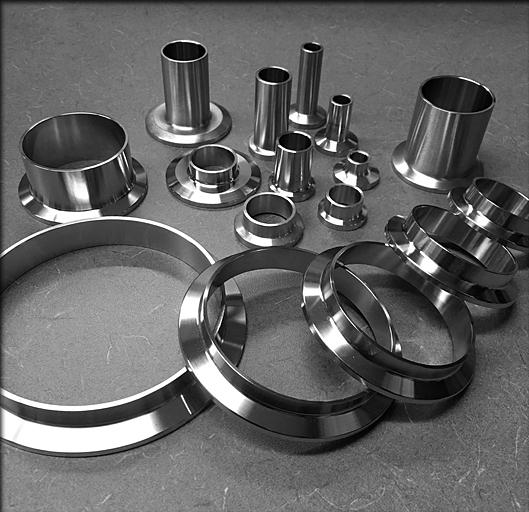
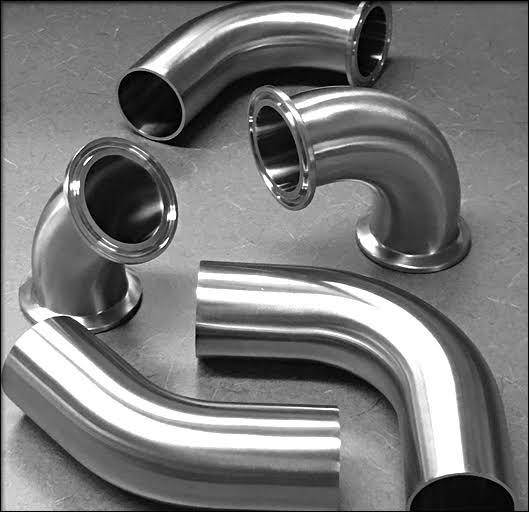
Stainless Steel Dairy Fittings: Your Complete Guide
If you work in the dairy industry, you know that quality equipment is everything. Stainless steel dairy fittings are essential components that keep your dairy processing safe, clean, and efficient. Let’s explore everything you need to know about these critical parts.
What Are Dairy Fittings?
Dairy fittings are special connectors that join pipes, hoses, and equipment in dairy processing plants. They’re designed specifically for handling milk and dairy products, with smooth surfaces that are easy to clean and prevent bacteria growth.
Think of them as the bridges that connect your entire dairy system—from the milking parlor to the storage tanks to the processing equipment.
Why Stainless Steel?
Stainless steel is the best material for dairy fittings because it:
- Doesn’t rust or corrode
- Resists damage from acidic milk products
- Handles high temperatures during pasteurization
- Is easy to clean and sanitize
- Lasts for years without breaking down
- Prevents bacterial contamination
Understanding Dairy Fittings Standards
Safety comes first in the dairy industry. That’s why dairy fittings standards exist—to make sure every component meets strict hygiene requirements.
Types of Dairy Fittings Standards
3-A Sanitary Standards (USA) The gold standard in North America. Any good Stainless Steel Dairy Fittings manufacturer should have 3-A certification. These standards ensure fittings can be completely cleaned and sanitized.
DIN 11851 Standards (Europe) Popular in European countries like Germany and across the EU. These define exact dimensions so parts from different manufacturers fit together perfectly.
ISO Standards (International) Global standards that ensure quality worldwide, especially ISO 2852 for food-grade fittings.
IDF Standards (International Dairy Federation) Created specifically for the dairy industry with dairy-focused safety guidelines.
SMS Standards (Sweden/Europe) Widely used in Scandinavian countries and throughout Europe for hygienic food processing.
Common Types of Dairy Fittings
When you contact a dairy fittings supplier, you’ll encounter these main types:
Tri-Clamp Fittings The most popular choice today. They use a simple clamp and gasket system that you can take apart and clean quickly. Perfect for routine maintenance.
DIN Fittings Feature a round nut connection. Great for applications that need to handle higher pressure.
IDF Fittings Use wing nuts for easy hand-tightening. Designed specifically with dairy hygiene in mind.
SMS Fittings Similar to DIN but with special hygienic design features that meet European food safety requirements.
Threaded Fittings Screw-together connections for more permanent setups where you won’t need frequent access.
Welded Fittings Permanently welded joints with completely smooth surfaces—no gaps where bacteria can hide.
Dairy Fittings Around the World
Quality dairy fittings are in demand everywhere milk is processed:
Dairy Fittings India India is one of the world’s largest milk producers. States like Maharashtra, Gujarat, Punjab, Uttar Pradesh, and Rajasthan have huge dairy operations that need certified fittings. Major cities like Mumbai, Delhi, Ahmedabad, Jaipur, and Pune have numerous suppliers serving local dairy cooperatives and processors.
Dairy Fittings United States American dairy farms and processors in Wisconsin, California, New York, Idaho, and Pennsylvania rely heavily on 3-A certified fittings.
Dairy Fittings Europe Countries like Germany, France, Netherlands, Italy, and Denmark have advanced dairy industries requiring DIN and SMS standard fittings.
Dairy Fittings New Zealand With dairy as a major export, New Zealand maintains world-class processing standards.
Dairy Fittings Australia Australian dairy operations in Victoria, New South Wales, and Tasmania use fittings that meet strict local and international requirements.
Dairy Fittings Canada Canadian dairy processors in Ontario, Quebec, and Alberta require certified fittings for their operations.
How to Choose a Dairy Fittings Supplier
Finding the right Stainless Steel Dairy Fittings manufacturer or dairy fittings supplier is crucial. Here’s what to look for:
✓ Proper Certifications – Check that they meet the standards required in your region (3-A, DIN, ISO, etc.)
✓ Quality Materials – Ensure they use genuine food-grade stainless steel (typically 304 or 316 grade)
✓ Good Inventory – They should have common sizes in stock for quick delivery
✓ Technical Support – Can they help you choose the right fittings and install them properly?
✓ Documentation – Reputable suppliers provide material certificates and compliance paperwork
✓ Industry Experience – Look for suppliers who understand dairy industry needs specifically
Maintenance Tips
Keep your dairy fittings working properly with these simple practices:
- Inspect regularly – Check for cracks, wear, or damage before each production run
- Replace gaskets – Change rubber gaskets at recommended intervals, even if they look okay
- Clean thoroughly – Follow proper cleaning and sanitization procedures after every use
- Keep records – Document when fittings were installed, inspected, and replaced
- Train your team – Make sure everyone knows how to assemble and disassemble fittings correctly
Frequently Asked Questions
Q1: What is the difference between 304 and 316 stainless steel dairy fittings?
Both are food-grade stainless steel, but 316 contains molybdenum which makes it more resistant to corrosion, especially in salty or acidic environments. For most dairy applications, 304 works perfectly fine and is more economical. Choose 316 if you’re near coastal areas, use particularly acidic cleaning chemicals, or need extra durability.
Q2: How often should I replace gaskets in dairy fittings?
Replace gaskets every 3-6 months in daily-use applications, even if they appear fine. Rubber degrades over time and can harbor bacteria in microscopic cracks. Always replace gaskets immediately if you notice any hardening, cracking, discoloration, or loss of elasticity. Keep spare gaskets on hand for quick replacements.
Q3: Can I mix different types of dairy fitting standards in one system?
It’s not recommended. While adapters exist, mixing standards (like 3-A with DIN) can create compatibility issues, potential leak points, and make maintenance complicated. Stick with one standard throughout your system for consistency, easier maintenance, and better reliability. If you must transition between standards, use certified adapter fittings from reputable manufacturers.
Q4: What size dairy fittings do I need for my processing plant?
Fitting size depends on your flow rate requirements and equipment specifications. Common sizes range from 1/2 inch to 4 inches for most dairy operations. Larger dairies may use 6-inch or larger fittings. Consult with your equipment manufacturer’s specifications and consider working with a dairy fittings supplier who can calculate the right sizes based on your production volume and pipe dimensions.
Q5: How do I know if my dairy fittings meet hygiene standards?
Look for certification marks on the fittings themselves (like 3-A, DIN, or ISO stamps). Request documentation from your Stainless Steel Dairy Fittings manufacturer including material certificates, compliance documentation, and test reports. Certified fittings will have smooth internal surfaces, rounded edges, no dead spaces where product can collect, and proper drainage design. When in doubt, ask your supplier to provide proof of compliance with relevant dairy fittings standards.
Final Thoughts
Stainless steel dairy fittings might seem like small components, but they play a huge role in dairy safety and quality. By understanding dairy fittings standards, choosing a reliable dairy fittings supplier, and maintaining your equipment properly, you’ll ensure your dairy operation runs smoothly and safely.
Whether you’re running a small dairy farm or a large processing plant, investing in quality fittings from a certified Stainless Steel Dairy Fittings manufacturer pays off in better hygiene, fewer breakdowns, and peace of mind knowing you’re meeting all safety requirements.
Ready to upgrade your dairy processing equipment? Start by finding a trusted supplier who understands your specific needs and can provide certified, high-quality dairy fittings that meet all relevant standards in your region.