022 66393751

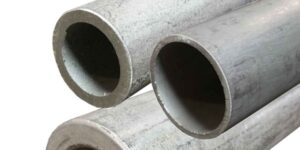
Schedule 40 steel pipe is one of the most widely used pipe specifications in industrial, commercial, and residential applications worldwide. Understanding SCH 40 pipe dimensions, weight charts, wall thickness, and pressure ratings is essential for engineers, fabricators, contractors, and procurement professionals. This comprehensive guide covers everything you need to know about Schedule 40 steel pipe specifications, applications, and selection criteria.
What is Schedule 40 Steel Pipe?
Schedule 40 steel pipe (SCH 40) refers to a standardized pipe wall thickness designation that has become the industry standard for medium-pressure applications. The “Schedule” system was developed by the American National Standards Institute (ANSI) and defined in the ANSI B36.10 standard to classify pipe wall thickness in relation to pipe diameter.
The number “40” in Schedule 40 doesn’t directly represent pressure capacity or a specific measurement. Instead, it’s part of a standardized numbering system where higher schedule numbers indicate thicker walls. Schedule 40 represents a balanced middle ground, offering sufficient strength for most common applications while remaining cost-effective.
Key Characteristics of SCH 40 Pipe:
Standard Wall Thickness: Schedule 40 pipe wall thickness varies with pipe size, ranging from 0.068 inches for 1/8″ pipe to 0.688 inches for 24″ pipe.
Pressure Capacity: Schedule 40 pressure rating decreases as pipe diameter increases, with smaller pipes handling higher pressures.
Versatility: Used across multiple industries for transporting water, gas, oil, steam, and structural applications.
Material Options: Available in carbon steel, stainless steel, galvanized steel, alloy steel, and various specialty materials.
Cost-Effectiveness: Provides optimal balance between strength, weight, and material cost for standard applications.
Schedule 40 Steel Pipe Weight Chart
Understanding Schedule 40 pipe weight is crucial for shipping calculations, structural load analysis, and material handling. The weight per foot increases with pipe diameter due to greater wall surface area.
Nominal Size | Outside Diameter | Wall Thickness | Weight | Weight |
(inches) | (inches / mm) | (inches / mm) | (lb/ft) | (kg/m) |
1/8″ | 0.405 / 10.3 | 0.068 / 1.73 | 0.24 | 0.37 |
1/4″ | 0.540 / 13.7 | 0.088 / 2.24 | 0.42 | 0.84 |
3/8″ | 0.675 / 17.1 | 0.091 / 2.31 | 0.57 | 0.85 |
1/2″ | 0.840 / 21.3 | 0.109 / 2.77 | 0.85 | 1.27 |
3/4″ | 1.050 / 26.7 | 0.113 / 2.87 | 1.13 | 1.69 |
1″ | 1.315 / 33.4 | 0.133 / 3.38 | 1.68 | 2.50 |
1-1/4″ | 1.660 / 42.2 | 0.140 / 3.56 | 2.27 | 3.39 |
1-1/2″ | 1.900 / 48.3 | 0.145 / 3.68 | 2.72 | 4.05 |
2″ | 2.375 / 60.3 | 0.154 / 3.91 | 3.65 | 5.44 |
2-1/2″ | 2.875 / 73.0 | 0.203 / 5.16 | 5.79 | 8.63 |
3″ | 3.500 / 88.9 | 0.216 / 5.49 | 7.58 | 11.29 |
3-1/2″ | 4.000 / 101.6 | 0.226 / 5.74 | 9.11 | 13.57 |
4″ | 4.500 / 114.3 | 0.237 / 6.02 | 10.79 | 16.07 |
5″ | 5.563 / 141.3 | 0.258 / 6.55 | 14.62 | 21.77 |
6″ | 6.625 / 168.3 | 0.280 / 7.11 | 18.97 | 28.26 |
8″ | 8.625 / 219.1 | 0.322 / 8.18 | 28.55 | 42.55 |
10″ | 10.750 / 273.0 | 0.365 / 9.27 | 40.48 | 60.31 |
12″ | 12.750 / 323.8 | 0.406 / 10.31 | 53.52 | 79.73 |
14″ | 14.000 / 355.6 | 0.375 / 11.13 | 54.57 | 94.55 |
16″ | 16.000 / 406.4 | 0.500 / 12.70 | 82.77 | 123.30 |
18″ | 18.000 / 457.0 | 0.562 / 14.27 | 104.67 | 155.80 |
20″ | 20.000 / 508.0 | 0.594 / 15.09 | 123.11 | 183.42 |
24″ | 24.000 / 610.0 | 0.688 / 17.48 | 171.29 | 255.41 |
32″ | 32.000 / 813.0 | 0.688 / 17.48 | 230.08 | 342.91 |
Weight Calculation Notes:
The Schedule 40 steel pipe weight chart above shows weights for standard carbon steel pipes. Weights vary for different materials:
- Stainless steel pipes: Approximately 2-5% heavier than carbon steel
- Aluminum pipes: Approximately 65% lighter than carbon steel
- Galvanized pipes: Slightly heavier due to zinc coating
Schedule 40 Pipe Dimensions and Wall Thickness
Understanding SCH 40 pipe dimensions is critical for proper fitting selection, flow calculations, and system design. Schedule 40 pipe wall thickness increases with pipe diameter to maintain structural integrity.
Detailed Dimensions Table
| Nominal | Outside | Wall | Inside | Surface | Cross-Sectional |
Size | Diameter | Thickness | Diameter | Area | Area |
1/2″ | 0.840″ | 0.109″ | 0.622″ | 0.220 ft²/ft | 0.304 in² |
3/4″ | 1.050″ | 0.113″ | 0.824″ | 0.275 ft²/ft | 0.533 in² |
1″ | 1.315″ | 0.133″ | 1.049″ | 0.344 ft²/ft | 0.864 in² |
1-1/4″ | 1.660″ | 0.140″ | 1.380″ | 0.435 ft²/ft | 1.496 in² |
1-1/2″ | 1.900″ | 0.145″ | 1.610″ | 0.497 ft²/ft | 2.036 in² |
2″ | 2.375″ | 0.154″ | 2.067″ | 0.622 ft²/ft | 3.355 in² |
2-1/2″ | 2.875″ | 0.203″ | 2.469″ | 0.753 ft²/ft | 4.788 in² |
3″ | 3.500″ | 0.216″ | 3.068″ | 0.916 ft²/ft | 7.393 in² |
4″ | 4.500″ | 0.237″ | 4.026″ | 1.178 ft²/ft | 12.73 in² |
6″ | 6.625″ | 0.280″ | 6.065″ | 1.734 ft²/ft | 28.89 in² |
8″ | 8.625″ | 0.322″ | 7.981″ | 2.258 ft²/ft | 50.03 in² |
10″ | 10.750″ | 0.365″ | 10.020″ | 2.814 ft²/ft | 78.85 in² |
12″ | 12.750″ | 0.406″ | 11.938″ | 3.338 ft²/ft | 111.9 in² |
Schedule 40 Pipe Pressure Rating Chart
The Schedule 40 pressure rating is one of the most critical specifications for system design. Pressure capacity varies based on pipe size, material grade, and operating temperature.
Maximum Allowable Pressure for Carbon Steel Schedule 40 Pipe
| Nominal | Outside | Maximum Pressure |
Size | Diameter | (PSI / kPa) |
1/4″ | 0.540″ | 7,985 / 55,057 |
3/8″ | 0.675″ | 6,606 / 45,548 |
1/2″ | 0.840″ | 6,358 / 43,838 |
3/4″ | 1.050″ | 5,273 / 36,357 |
1″ | 1.315″ | 4,956 / 34,172 |
1-1/4″ | 1.660″ | 4,133 / 28,497 |
1-1/2″ | 1.900″ | 3,739 / 25,780 |
2″ | 2.375″ | 3,177 / 21,905 |
2-1/2″ | 2.875″ | 3,460 / 23,857 |
3″ | 3.500″ | 3,024 / 20,850 |
4″ | 4.500″ | 2,581 / 17,796 |
6″ | 6.625″ | 2,071 / 14,280 |
8″ | 8.625″ | 1,829 / 12,611 |
10″ | 10.750″ | 1,664 / 11,473 |
12″ | 12.750″ | 1,560 / 10,756 |
16″ | 16.000″ | 1,531 / 10,556 |
20″ | 20.000″ | 1,455 / 10,032 |
24″ | 24.000″ | 1,405 / 9,687 |
Pressure Rating Factors:
Temperature Effects: As operating temperature increases, the allowable pressure decreases. The ratings above are for ambient temperature service.
Safety Factor: These ratings include appropriate safety factors per ASME B31.3 piping code requirements.
Material Grade: Different steel grades have varying strength properties affecting pressure ratings.
Service Conditions: Corrosive environments or cyclic loading may require additional derating.
Schedule 40 Pipe Wall Thickness in MM
For international projects and metric specifications, Schedule 40 pipe thickness in mm is essential:
Nominal Size | Wall Thickness | Wall Thickness |
(Inches) | (MM) | |
1/8″ | 0.068 | 1.73 |
1/4″ | 0.088 | 2.24 |
3/8″ | 0.091 | 2.31 |
1/2″ | 0.109 | 2.77 |
3/4″ | 0.113 | 2.87 |
1″ | 0.133 | 3.38 |
1-1/4″ | 0.140 | 3.56 |
1-1/2″ | 0.145 | 3.68 |
2″ | 0.154 | 3.91 |
2-1/2″ | 0.203 | 5.16 |
3″ | 0.216 | 5.49 |
4″ | 0.237 | 6.02 |
6″ | 0.280 | 7.11 |
8″ | 0.322 | 8.18 |
10″ | 0.365 | 9.27 |
12″ | 0.406 | 10.31 |
Chemical Composition of Schedule 40 Steel Pipe
The chemical composition determines the mechanical properties, weldability, and corrosion resistance of Schedule 40 steel pipe. Common compositions for carbon steel grades include:
ASTM A53 Grade B Chemical Composition
Element | Composition Range |
Carbon (C) | 0.30% max |
Manganese (Mn) | 0.29 – 1.06% |
Phosphorus (P) | 0.05% max |
Sulfur (S) | 0.045% max |
Silicon (Si) | 0.10% min |
Copper (Cu) | 0.40% max |
Nickel (Ni) | 0.40% max |
Chromium (Cr) | 0.40% max |
ASTM A106 Grade B Chemical Composition
Element | Composition Range |
Carbon (C) | 0.30% max |
Manganese (Mn) | 0.29 – 1.06% |
Phosphorus (P) | 0.035% max |
Sulfur (S) | 0.035% max |
Silicon (Si) | 0.10% min |
Chromium (Cr) | 0.40% max |
Copper (Cu) | 0.40% max |
Molybdenum (Mo) | 0.15% max |
Nickel (Ni) | 0.40% max |
Vanadium (V) | 0.08% max |
Chemical Element Functions:
Carbon (C): Primary strengthening element; higher carbon increases strength but reduces weldability and ductility.
Manganese (Mn): Improves strength, toughness, and hardenability; acts as a deoxidizer during steel production.
Silicon (Si): Deoxidizer and strengthening agent; improves fluidity during casting and welding.
Phosphorus (P): Generally considered an impurity; limited to low levels to prevent brittleness and cold cracking.
Sulfur (S): Kept low to prevent hot shortness and improve weldability; can improve machinability in controlled amounts.
Chromium (Cr): Enhances corrosion resistance, hardness, and high-temperature strength.
Nickel (Ni): Improves toughness, especially at low temperatures; enhances corrosion resistance.
Copper (Cu): Improves atmospheric corrosion resistance when present in sufficient quantities.
Grades of Schedule 40 Steel Pipe
Schedule 40 pipes are manufactured in various steel grades, each designed for specific applications and operating conditions.
Common Carbon Steel Grades
ASTM A53 Grade B
- Most widely used general-purpose carbon steel pipe
- Suitable for mechanical and pressure applications
- Available in seamless and welded forms
- Minimum yield strength: 35,000 PSI
- Minimum tensile strength: 60,000 PSI
- Applications: Plumbing, fire protection, HVAC, structural
ASTM A106 Grade B
- High-temperature service carbon steel
- Seamless construction for critical applications
- Better quality control than A53
- Minimum yield strength: 35,000 PSI
- Minimum tensile strength: 60,000 PSI
- Applications: Refineries, power plants, high-pressure steam lines
ASTM A106 Grade C
- Higher strength version of Grade B
- For more demanding high-temperature service
- Minimum yield strength: 35,000 PSI
- Minimum tensile strength: 70,000 PSI
- Applications: High-pressure boiler applications
API 5L Grade B
- Specifically designed for pipeline transportation
- Used for oil and gas transmission
- Stringent quality requirements
- Minimum yield strength: 35,000 PSI
- Minimum tensile strength: 60,000 PSI
- Applications: Oil and gas pipelines, transmission systems
ASTM A333 Grade 6
- Low-temperature carbon steel service
- Maintains ductility at sub-zero temperatures
- Impact tested at -50°F (-45°C)
- Minimum yield strength: 35,000 PSI
- Minimum tensile strength: 60,000 PSI
- Applications: LNG plants, cryogenic systems, cold climate installations
Stainless Steel Grades
304/304L Stainless Steel Schedule 40
- Most common austenitic stainless steel
- Excellent corrosion resistance
- Good formability and weldability
- Applications: Food processing, pharmaceuticals, chemical processing
316/316L Stainless Steel Schedule 40
- Superior corrosion resistance with molybdenum addition
- Excellent resistance to chlorides and marine environments
- Applications: Marine, chemical plants, medical equipment
Alloy Steel Grades
ASTM A335 P5, P9, P11, P22, P91
- Chrome-moly alloy steels for elevated temperatures
- Various chromium and molybdenum contents
- Applications: Power generation, petrochemical, high-temperature service
Nominal Pipe Size (NPS) and DN Conversion
Understanding the relationship between NPS (Nominal Pipe Size) and DN (Diameter Nominal) is essential for international projects:
NPS | DN | NPS | DN | NPS | DN |
1/2″ | 15 | 3″ | 80 | 12″ | 300 |
3/4″ | 20 | 4″ | 100 | 14″ | 350 |
1″ | 25 | 5″ | 125 | 16″ | 400 |
1-1/4″ | 32 | 6″ | 150 | 18″ | 450 |
1-1/2″ | 40 | 8″ | 200 | 20″ | 500 |
2″ | 50 | 10″ | 250 | 24″ | 600 |
2-1/2″ | 65 |
Conversion Formula: For NPS 4 and above: DN = 25 × NPS
Applications of Schedule 40 Steel Pipe
SCH 40 pipe serves diverse industries due to its optimal balance of strength, cost, and availability.
Industrial Applications
Plumbing and HVAC Systems
- Potable water distribution
- Drainage and waste systems
- Heating and cooling distribution
- Sprinkler and fire protection systems
- Commercial and residential buildings
Oil and Gas Industry
- Crude oil transportation
- Natural gas distribution networks
- Refinery process piping
- Gathering and transmission lines
- Storage tank piping
Chemical Processing
- Process fluid transportation
- Chemical transfer lines
- Cooling water systems
- Acid and alkali conveyance (with appropriate material selection)
- Plant utilities
Power Generation
- Steam distribution systems
- Condensate return lines
- Cooling water circuits
- Fuel gas lines
- Auxiliary systems
Water Treatment
- Municipal water distribution
- Wastewater collection
- Treatment plant piping
- Pumping stations
- Storage facilities
Manufacturing
- Compressed air systems
- Hydraulic systems
- Coolant distribution
- Material handling (pneumatic conveying)
- Plant utilities
Structural Applications
Construction and Architecture
- Handrails and guardrails
- Structural framing
- Support columns
- Building frameworks
- Scaffold systems
Agricultural Applications
- Irrigation systems
- Greenhouse structures
- Livestock facilities
- Grain handling systems
- Equipment mounting
Transportation Infrastructure
- Bridge railings
- Highway barriers
- Street furniture
- Utility supports
- Signage mounting
Schedule 40 vs Other Schedules
Understanding how Schedule 40 compares to other pipe schedules helps in optimal selection:
Schedule Comparison for 4″ Pipe
Schedule | Wall Thickness | Weight | Pressure Rating |
SCH 10 | 0.120″ (3.05mm) | 5.61 lb/ft | 1,370 PSI |
SCH 20 | 0.156″ (3.96mm) | 7.23 lb/ft | 1,780 PSI |
SCH 30 | 0.188″ (4.78mm) | 8.66 lb/ft | 2,140 PSI |
SCH 40 | 0.237″ (6.02mm) | 10.79 lb/ft | 2,581 PSI |
SCH 60 | 0.280″ (7.11mm) | 12.66 lb/ft | 3,200 PSI |
SCH 80 | 0.337″ (8.56mm) | 15.00 lb/ft | 3,760 PSI |
SCH 100 | 0.437″ (11.10mm) | 19.00 lb/ft | 4,930 PSI |
SCH 120 | 0.531″ (13.49mm) | 22.51 lb/ft | 5,990 PSI |
SCH 160 | 0.674″ (17.12mm) | 27.54 lb/ft | 7,600 PSI |
Selection Criteria
Choose Schedule 40 when:
- Medium pressure applications (under 2,000 PSI for most sizes)
- Cost optimization is important
- Standard availability is required
- Moderate corrosion environment
- General industrial applications
Choose thinner schedules (10, 20, 30) when:
- Low-pressure applications
- Weight reduction is critical
- Non-critical service
- Cost minimization is paramount
Choose thicker schedules (60, 80, 160) when:
- High-pressure requirements
- Severe corrosive environments
- Critical safety applications
- Thread strength is important
- Mechanical strength is paramount
Schedule 40 Steel Pipe Specifications and Standards
Schedule 40 pipes must conform to various industry standards:
Key Standards
ANSI B36.10M
- Defines wall thicknesses and dimensions
- Standardizes schedule numbering system
- Covers sizes from NPS 1/8 to NPS 80
ASTM A53
- Standard specification for pipe, steel, black and hot-dipped, zinc-coated, welded and seamless
- Covers grades A and B
- For mechanical and pressure applications
ASTM A106
- Seamless carbon steel pipe for high-temperature service
- Grades A, B, and C
- More stringent than A53
API 5L
- Specification for line pipe
- For conveyance of gas, water, and oil
- Various grades and PSL levels
ASME B31.3
- Process piping design code
- Specifies allowable stresses and pressure ratings
- Defines fabrication and testing requirements
Manufacturing Methods
Schedule 40 steel pipes are produced through various manufacturing processes:
Seamless Pipe Manufacturing
Hot Finished Process
- Solid billet heated to 2,350°F
- Pierced with mandrel to create hollow
- Rolled to final dimensions
- Heat treated and straightened
- Cut to length and tested
Cold Drawn Process
- Hot finished pipe as starting material
- Cleaned and lubricated
- Drawn through dies at room temperature
- Improves dimensional accuracy and surface finish
- Stress relieved and tested
Welded Pipe Manufacturing
Electric Resistance Welded (ERW)
- Steel strip heated and formed into tube
- Edges welded using electrical resistance
- Weld bead removed
- Sized and straightened
- Tested and cut to length
Submerged Arc Welded (SAW)
- Steel plate formed into pipe shape
- Welded under layer of flux
- Both inside and outside welds
- Heat treated and tested
- Used for larger diameter pipes
Installation and Joining Methods
Schedule 40 pipes can be joined using various methods depending on application requirements:
Threading
- Common for smaller sizes (up to 4″)
- NPT (National Pipe Thread) is standard
- Requires appropriate wall thickness
- Easy field installation
- Not suitable for high-pressure applications
Welding
- Suitable for all sizes
- Provides strongest joint
- Requires skilled labor
- Various methods: SMAW, GMAW, GTAW
- Must meet welding procedure specifications
Flanging
- Used for large diameters
- Allows easy disassembly
- Various flange types: slip-on, weld neck, threaded
- Rated by pressure class
- Common in refineries and plants
Mechanical Couplings
- Grooved couplings (Victaulic-style)
- Compression fittings
- Quick installation
- No welding or threading required
- Good for retrofit applications
Quality Control and Testing
Schedule 40 pipes undergo rigorous testing to ensure compliance:
Common Tests
Hydrostatic Testing
- Pressurized with water to 1.5× design pressure
- Held for specified duration
- Checks for leaks and structural integrity
Ultrasonic Testing (UT)
- Non-destructive wall thickness verification
- Detects internal defects
- Ensures dimensional compliance
Eddy Current Testing
- Detects surface and near-surface defects
- Used primarily for seamless pipes
- High-speed inspection method
Visual and Dimensional Inspection
- Outside diameter measurement
- Wall thickness verification
- Length verification
- Surface quality assessment
Mechanical Testing
- Tensile strength testing
- Flattening tests
- Flaring tests (when specified)
- Impact testing (for low-temperature service)
Coating and Protection Options
Schedule 40 pipes can be enhanced with various coatings:
Hot-Dip Galvanizing
- Zinc coating applied by dipping in molten zinc
- Excellent corrosion protection
- Adds 150-200 microns coating thickness
- Extends service life significantly
- Standard for outdoor applications
Epoxy Coating
- Interior or exterior application
- Excellent chemical resistance
- Smooth surface reduces friction losses
- Various thickness options
- Common in water service
Painting and Powder Coating
- Color coding for identification
- Basic corrosion protection
- Aesthetic finish
- Easy to apply and maintain
- Common in HVAC applications
Cement Lining
- Interior coating for water pipes
- Prevents tuberculation
- Smooth flow characteristics
- Long service life in potable water
- Requires specialized application
Common Sizes and Their Applications
Small Bore (1/2″ – 2″)
Typical Applications:
- Residential plumbing
- Instrument tubing
- Small process connections
- Sampling lines
- Control air lines
Characteristics:
- High pressure capability
- Easy to thread
- Readily available
- Cost-effective
Medium Bore (2-1/2″ – 6″)
Typical Applications:
- Building services
- Process piping
- Fire protection systems
- HVAC mains
- Municipal water distribution
Characteristics:
- Balanced strength and flow capacity
- Most common industrial size range
- Good inventory availability
- Various joining methods applicable
Large Bore (8″ – 24″)
Typical Applications:
- Main transmission lines
- Large volume transfer
- Municipal infrastructure
- Power plant piping
- Refinery process lines
Characteristics:
- High flow capacity
- Typically welded or flanged
- Requires special handling equipment
- Higher material and installation costs
Frequently Asked Questions About Schedule 40 Steel Pipe
What pressure can Schedule 40 steel pipe hold?
The Schedule 40 pressure rating varies significantly with pipe size. For example, a 1″ Schedule 40 carbon steel pipe can handle approximately 4,956 PSI at ambient temperature, while a 12″ Schedule 40 pipe is rated for approximately 1,560 PSI. The pressure rating decreases as the pipe diameter increases because the wall thickness-to-diameter ratio becomes less favorable. Additionally, pressure ratings decrease at elevated temperatures according to ASME B31.3 allowable stress values.
What is the difference between Schedule 40 and STD weight pipe?
For pipe sizes up to NPS 10, Schedule 40 and Standard Weight (STD) are identical – they have the same wall thickness and dimensions. However, for NPS 12 and larger, Schedule 40 has a thicker wall than Standard Weight pipe. This distinction is important when specifying larger diameter pipes. Always verify the actual wall thickness rather than relying solely on the designation.
How do I calculate the weight of Schedule 40 pipe?
The theoretical weight of Schedule 40 steel pipe can be calculated using the formula: Weight (lb/ft) = 10.68 × (OD – Wall Thickness) × Wall Thickness
Where OD and Wall Thickness are in inches. However, it’s more reliable to use published weight charts as they account for manufacturing tolerances and standard densities. For quick estimates, remember that 1″ Schedule 40 pipe weighs approximately 1.68 lb/ft, and weight increases exponentially with size.
Can Schedule 40 pipe handle hot water?
Yes, Schedule 40 carbon steel pipe is commonly used for hot water applications. However, the allowable pressure decreases as temperature increases. For example, at 400°F, the allowable pressure might be reduced by 20-30% compared to ambient temperature ratings. Always consult ASME
Key Features:
Cavity free and self-draining
Hermetical separation of fluids from the operating mechanism by diaphragm
Fully Autoclavable
Full traceability as per EN 10204 3.1 and ASME BPE Sanitary Valve in India
Various internal surface finish available each with less than 0.40 Ra With Bright Electropolished