022 66393751

Stainless steel pipe fittings play an important role in modern piping systems by connecting pipes and helping engineers create efficient layouts. They are used in industries where corrosion resistance, hygiene, durability, and dependable performance are important. When sourcing products from stainless steel pipe fittings manufacturers in India, understanding the major fitting types and their applications can make product selection easier.
Major Types of Stainless Steel Pipe Fittings
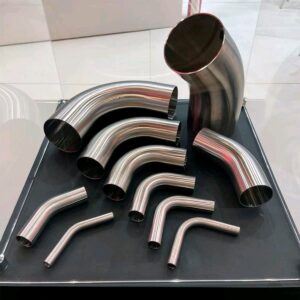
**Elbows:** Elbows change the direction of a piping system. Common configurations include 45-degree and 90-degree elbows. They are selected according to the required direction change, pipe size, and system design.
**Tees:** A tee fitting has three openings and is used to create a branch connection. Equal tees are generally used when the branch and main pipe have similar dimensions, while reducing tees connect different sizes.
**Reducers:** Reducers connect pipes of different diameters. Concentric reducers maintain a common centerline, while eccentric reducers have offset centerlines and can be useful in particular horizontal piping arrangements.
**Couplings:** Couplings join two pipe sections, usually where a straight connection is required. Their design depends on the joining method and application.
**Unions:** Unions allow sections of a piping system to be disconnected more conveniently for maintenance or replacement.
**Caps:** Caps close the end of a pipe and may be used for temporary or permanent termination depending on system requirements.
**Cross Fittings:** Crosses provide four connection points and can be used where multiple branches are required.
Applications Across Industries
Stainless steel fittings are commonly used in food and beverage plants because stainless steel surfaces can be cleaned efficiently and maintained under hygienic operating conditions.
In pharmaceutical manufacturing, material selection and surface finish are especially important. Fittings may be required in process systems where contamination control and cleanability are major considerations.
Chemical processing systems may require stainless steel because of its resistance to particular corrosive environments. However, the exact grade must be selected according to the chemicals, concentration, temperature, and operating conditions.
Water treatment plants also use stainless steel fittings in selected applications where durability and corrosion resistance are needed.
Factors to Consider When Buying
Buyers should consider:
– Stainless steel grade
– Pipe and fitting size
– Wall thickness
– Connection type
– Pressure and temperature requirements
– Surface finish
– Applicable standards
– Required quantity
– Testing and documentation
Choosing Manufacturers in India
A dependable manufacturer should be able to provide consistent dimensions, appropriate material grades, quality inspection, and documentation when required. For industrial projects, buyers should also assess manufacturing capacity and the ability to deliver customized or project-specific requirements.
Conclusion
Understanding fitting types and applications helps buyers choose products that match their piping system. Reputable stainless steel pipe fittings manufacturers in India can support projects by providing suitable grades, sizes, configurations, and quality documentation. The final selection should always be based on engineering requirements and the environment in which the fittings will operate.